
CX Redefined #07
Service Blueprinting, a funny tweet and how to deal with customer anxiety

Welcome to the June 1st edition of CX Redefined, the holy guide to customer experience. Our collection of best articles and insights is tailor-made for customer support, success, and field-facing teams. In today's edition, we have plenty in store for you, including a valuable guide on service blueprinting, a thought-provoking tweet, and a short read on how to handle anxiety in customer journeys. So, without further ado, let's dive right in!
In today’s edition, we have for you
From author’s table - Service Blueprinting: How to Guide
A tweet
A short read about how to deal with anxiety in customer journeys
From the desk of author
Enhancing Customer Experience with Service Blueprinting: How-To Guide
When we say blueprints, most people think of those fancy drawings architects use to plan out a building.
Well, in the world of customer service, we also have blueprints, but instead of buildings, we're building better customer experiences.
A service blueprint is like a roadmap that shows you how a customer interacts with your company, and what's going on behind the scenes to make that interaction happen. For example, the realisation that the reason for bad reviews on social media for company handle is because when the customers call you, the waiting time is too much on the IVR leading them to drop off without sharing their concern.
OK. So where should I start?
Do you also get carried away and dream about fixing everything for your customers? Trust me, I've been there.
But narrowing the focus is exactly what you need to create a better experience for your customers.
First things first, you need to figure out who your customers are and what matters to them. It's easier said than done, but let me give you a quick example.
Imagine you run a bakery in a city. Your target customers are busy working parents. Convenience and “a fresh bread” is probably important to them, right? So, let's say you offer an online ordering process with delivery on the door early morning. Bingo! You just hit a home run.
Now, it's time to choose the scope you want to work on. I suggest going for a small scope and build from there. Say, every time I go about delivering their bread, people are concerned that I might wake them up with a bell or disturb them over their weekend sleep. See, even this little scope requires attention and thought.
Let me tell you how you can fix this with a blueprint
Gather that every piece of relevant information
Just like architects, we need to do some research and planning before we start building our blueprint
Start by looking at the data available to you. You can check out process maps, customer feedback metrics like net promoter score, and employee feedback on the systems used to serve customers. You will be wowed by how much of tribal knowledge do your internal employees have.
If you don't have anything formal, try simply observing what could be improved or interviewing some customers and employees. You should also look at industry reports and the best standards and practices to get a better idea of customer behavior and attitudes. Don't get bogged down by gathering too much info, though.
So get out there and start researching! The more data you gather, the better equipped you'll be to create a customer experience that truly WOWs.
Put the customer at the centre and map out their actions
Your customers are the main event, so put them front and center.
We have to do two things here - map out the customer actions and the physical evidence/internaction. A customer action is just a fancy way of saying the step-by-step process your customer goes through when interacting with you.
Now, let's talk about the bakery you have got - “Best Bakery”.
We're focusing on the process of delivering the bread every morning with a great experience. Let’s start breaking it down piece by piece. The first thing the customer does is place their order - boom, write that down. Then, we add the physical evidence - in this case, it's the website. Then, let’s out how they can specify whether they want the door bell to be rung. See where I'm going with this? Keep mapping out every single action and piece of physical evidence until you've got a crystal clear picture of your customer's experience. Don't forget about the little details, like if there is an apartment where could be a security approval required.
By asking yourself the tough questions about your customer journey, you'll come up with solutions that make their experience even better. And don't worry if this seems like it's all about the customer - that's exactly where you want to start. Once you have a thorough understanding of your customer's perspective, you can design a service that they won't be able to resist.
Next come your employees’ actions
These actions can be carried out by your employees or technology, depending on the situation. But unlike customer actions, frontstage actions are only included when necessary. For example, if you run a bakery store like Best Bakery, the first interaction a customer has is with technology, as they receive a confirmation after submitting their order. The email they receive later lets them know when, how the bread will be delivered. The delivery guy packages the item and delivers it at the door. These are all frontstage actions that the customer experiences. You need to think about all the actions that happen in your organisation and add them to your blueprint.
Include Behind The Scene actions
Did you know that there's a whole lot of stuff happening behind the curtains in a play that you don't see? The same is true for delivering great service. There are a lot of moving parts behind the scenes that are called the backstage actions.
These are the ways employees need to accomplish their tasks and complete actions for the customers. For instance, at Best Bakery, customers may not see what happens behind the scenes like how the chef bakes the bread and packages the order for them. These are all backstage actions that need to be done to make sure the customer has a seamless experience.
Now, let's talk about support processes. These are the systems and processes that make the experience possible but don't show up directly to either customers or employees. Say for example the online request collection system. Documenting these notes for support processes is essential. You don't need to understand how everything works behind the scenes, but you do need to document what needs to work.
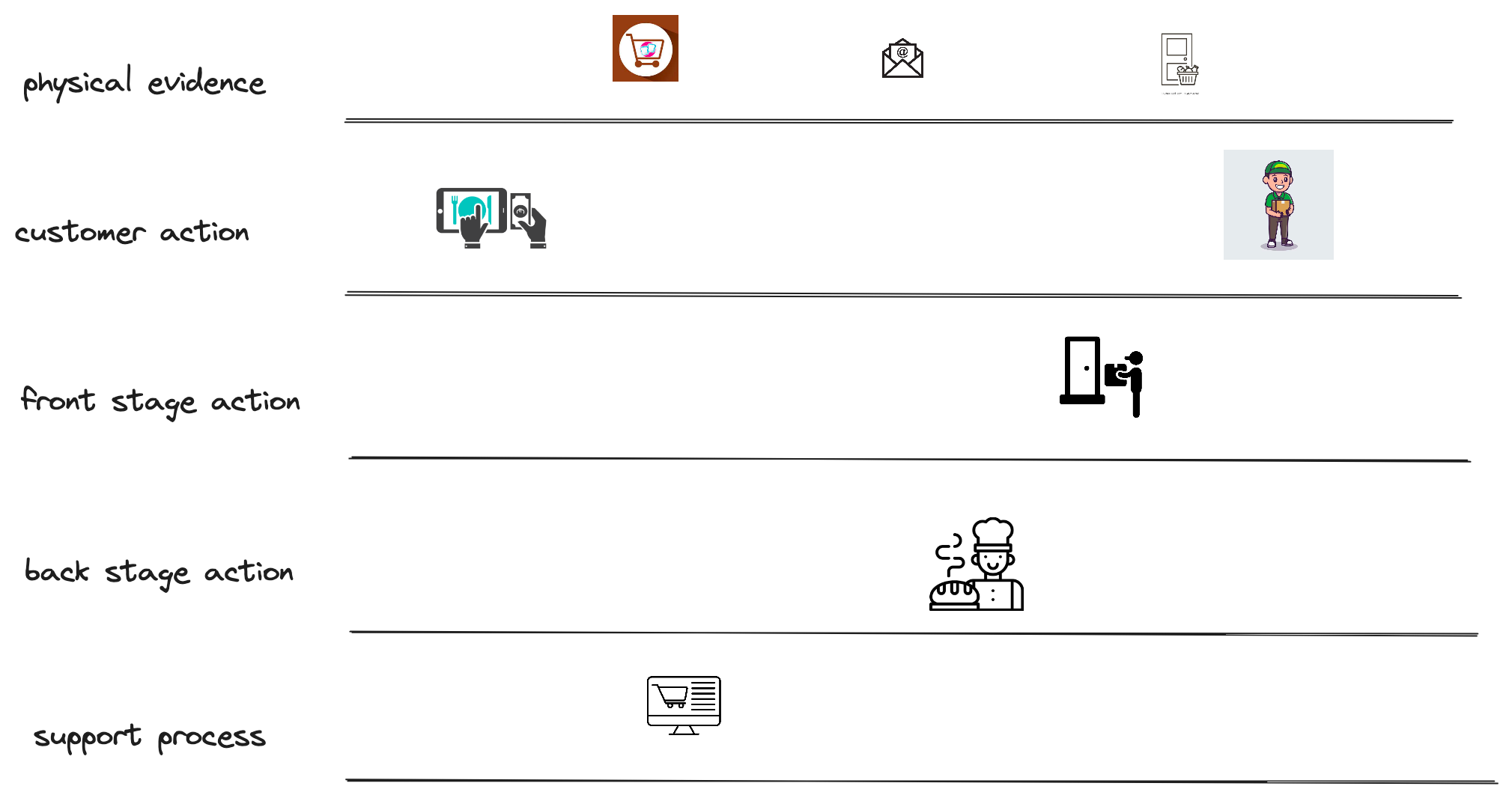
So, hop on to build your customer service blueprint. Don't worry about getting everything perfectly defined at first.
Once you put your blueprint into action, you'll be able to refine it along the way. And remember, just like watching a play, sometimes it's what's happening behind the scenes that make the experience truly magical!
A tweet
A funny take on customer journey ;)
A short read
While the core of customer experience has remain unchanged, how customer seek to get their needs fulfilled has undergone massive changes. This is because of tech innovations, social media and digital adoption. The below article focuses on the contribution anxiety - because of frustration and boredoom.
I would love your feedback on the newsletter. Feel free to reply to the email. I will acknowledge each one of your emails.
If you do have any job openings, or events coming up, do share it with us and we would be happy to place it in our newsletter.
Subscribe if you liked the content
and don’t forget to share it with your friends.